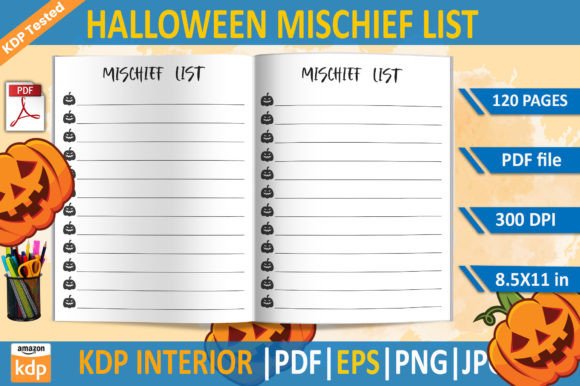
Halloween Recipe Book
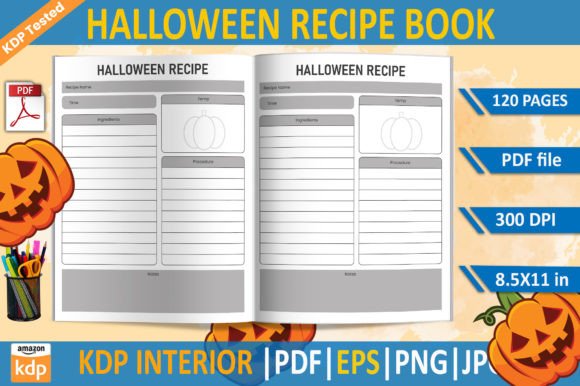
If you’ve ever scrambled last-minute for a themed dessert table at a school potluck, needed a cohesive set of recipes to pair with your handmade Halloween party invites, or spent hours formatting printable recipe cards only to find they don’t align with Amazon KDP’s print requirements—this is the solution that skips the guesswork. The Halloween Recipe Book isn’t just another collection of spooky cupcakes and candy-studded cookies. It’s a ready-to-use, professionally structured 120-page interior designed specifically for creators who want to publish fast, print clean, and deliver value—without wrestling with margins, bleed zones, or DPI mismatches.
Where It Fits in Real Life—Not Just on a Shelf
This isn’t a book you read cover to cover and tuck away. It’s a working tool—used while planning a fall craft fair booth, prepping for a community center cooking demo, or building out a seasonal email sequence for your food blog. Teachers print individual pages to laminate as classroom activity cards. Etsy sellers bundle the editable EPS files with custom SVG cut files for pumpkin-shaped cookie stencils. Local bakeries use the high-res JPGs to create Instagram carousel posts showing “behind-the-scenes” prep shots alongside finished treats.
One freelance designer told us she used the transparent-background PNGs to drop recipe headers into Canva templates for her client’s haunted house fundraiser—no clipping masks, no white edges, no reformatting. Another small business owner uploaded the KDP-tested PDF directly to Kindle Direct Publishing and had her first paperback live in under 48 hours. That speed matters when Halloween inventory windows are narrow and social media trends shift weekly.
Why Timing—and Testing—Matters More Than Ever
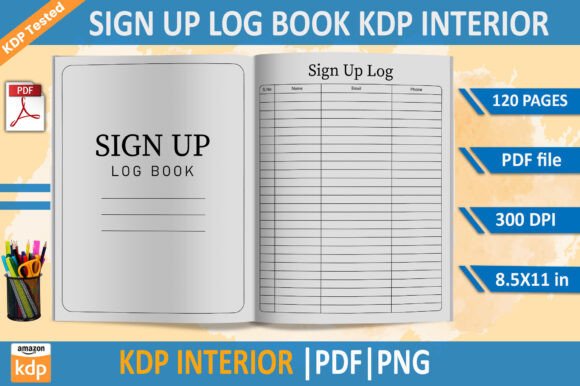
Halloween moves fast. Trends spike in early September, peak mid-October, and fade by November 2nd. If your printable recipe pack takes three days to format, two rounds of KDP rejection emails to fix bleed settings, and another day to relabel image assets before uploading—you’ve missed the window where demand meets visibility. The Halloween Recipe Book includes a print-ready PDF file that’s been verified against current KDP guidelines: 8.5×11 inches, 300 DPI, no bleed required, and built with consistent spacing for both home printers and commercial offset runs.
That “KDP tested” label isn’t marketing fluff—it means someone already ran this exact file through Amazon’s automated preflight check. No warnings about low-resolution images. No flags about margin violations. No surprise rejections after you’ve added your title page and ISBN. You’re not buying a template; you’re buying time saved, stress avoided, and confidence baked in.
Who Uses It—and How They Actually Apply It
- Educators: Pull single recipes to project during a “spooky science” unit—measuring dry ingredients becomes a lesson in ratios, while candy corn density experiments tie into physical properties. The clean layout ensures readability on smartboards without zooming or cropping.
- Content Creators: Use the EPS vector files to resize headers for YouTube thumbnails, Pinterest pins, or Substack banners—scaling up won’t pixelate, and transparency means seamless layering over video stills or mood boards.
- Small Bakery Owners: Print select pages as take-home recipe cards with purchase (e.g., “Buy our Black Cat Brownies, get the full Halloween Recipe Book PDF free”). Customers get instant digital access, and you build an email list with zero extra design work.
- Home Entertainers: Host a “make-your-own monster mash” party using the illustrated step-by-step instructions for layered punch bowls or edible eyeball gelatin. Guests snap photos, tag your handle, and organically extend your reach—because the design feels intentional, not DIY-printed-on-recycled-paper.
What to Consider Before You Download
This resource shines brightest when you need structure—not inspiration from scratch. If you’re building a niche brand around vegan, keto, or allergen-free Halloween treats, the base Halloween Recipe Book gives you professional scaffolding, but you’ll still need to adapt ingredient lists and swap techniques accordingly. Likewise, if you plan to translate it into Spanish or add voiceover narration for an audiobook version, the editable EPS and PNG files won’t help with text localization—but they *will* let you keep all visual branding intact while updating copy.
Also worth noting: the 120-page count includes title pages, section dividers, blank note pages, and consistent typography—not just recipes. That means fewer gaps to fill when designing your final product, and more breathing room for handwritten notes, grocery lists, or kids’ doodles beside each dish. It’s built for real use, not just display.
How the Files Work Together—Not Just Separately
You don’t need all the files at once—and that’s by design. Start with the PDF for immediate printing or sharing. When you’re ready to customize, open the EPS in Illustrator or Affinity Designer to change colors, adjust fonts, or insert your logo. Drop the transparent PNGs into email newsletters where background images often break across clients—or use them as watermark overlays on recipe videos. And if you’re sending press kits to local papers or food influencers, the high-res JPGs load quickly, render reliably, and look sharp even when compressed by email servers.
No one file replaces another. They complement. The PDF delivers consistency. The EPS delivers control. The PNG delivers flexibility. The JPG delivers reliability. That’s why users report going from download to published paperback—or branded social post—in under two hours.
Real Outcomes, Not Just Features
It’s easy to list “300 DPI” or “8.5×11 inches”—but what does that actually do? It means your printed book doesn’t show faint ghosting on dark backgrounds. It means the jack-o’-lantern icons stay crisp whether scaled down for a sticker sheet or blown up for a banner. It means your customer’s first impression isn’t “this looks homemade,” but “this feels like something I’d buy at Target.”
When a homeschool mom uses the Halloween Recipe Book to run a week-long “culinary history” unit—comparing colonial pumpkin pies to modern candy corn fudge—she’s not thinking about bleed settings. She’s thinking about engagement, clarity, and how easily her kids can follow along. When a solopreneur uploads the file and earns $279 in passive income during October alone, she’s not celebrating DPI specs—she’s celebrating that she didn’t spend 20 hours troubleshooting KDP errors.
The Halloween Recipe Book works because it assumes you already know how to bake, teach, market, or host—and gives you back the time you’d otherwise lose formatting, resizing, or second-guessing print standards. It doesn’t replace your expertise. It supports it.